%20copy.png)

Why Your Roof Won’t Last: The Harsh Reality of Florida’s Climate on Roofing Materials
Understanding Florida's Unique Roofing Challenges

Florida, the Sunshine State, is renowned for its beautiful beaches and vibrant communities. However, beneath the idyllic facade lies a harsh reality for homeowners: a climate that relentlessly challenges the integrity and longevity of roofing materials. For families in Tallahassee and across North Florida, understanding these unique challenges is the first step toward protecting their most valuable asset – their home. KFR Roofing Solutions, a proud Black family-owned business deeply rooted in the Florida community, has witnessed firsthand the toll that our state's weather takes on roofs. We're here to share insights and practical advice to help your roof stand strong against the elements.
The Triple Threat: Sun, Heat, and Humidity
Florida's climate isn't just hot; it's a combination of intense solar radiation, high temperatures, and pervasive humidity. This trifecta creates a constant assault on roofing materials. The sun's ultraviolet (UV) rays are particularly damaging, causing materials like asphalt shingles to break down, crack, and lose their protective granules over time. This process, known as photo-oxidation, weakens the shingle's structure, making it brittle and less effective at shedding water.
High temperatures exacerbate this issue. Materials expand and contract with daily temperature fluctuations, leading to stress and fatigue. Over years, this constant movement can loosen fasteners, create micro-cracks, and compromise the seals between roofing components. The relentless humidity, often overlooked, fosters the growth of algae, moss, and fungi. These organisms not only mar the aesthetic appeal of a roof but can also retain moisture, leading to premature deterioration and rot, especially in organic-based materials.
The Impact of Severe Weather Events
Beyond the daily grind of sun and humidity, Florida is synonymous with severe weather. Hurricanes, tropical storms, and intense thunderstorms are not just seasonal occurrences; they are an inherent part of living in this beautiful state. Each event brings with it a unique set of challenges for roofing systems.

Hurricane-Force Winds and Driving Rain
Hurricanes, with their devastating winds, are perhaps the most feared natural phenomenon for Florida homeowners. Winds exceeding 74 mph can lift, tear, and completely strip roofing materials, exposing the underlying structure to the elements. Even roofs that appear intact after a storm may have hidden damage, such as compromised seals or loosened shingles, which can lead to leaks down the line. The building codes in Florida are among the strictest in the nation precisely because of this threat, requiring specific installation techniques and materials designed to withstand high winds.
Coupled with high winds is the torrential, driving rain that accompanies these storms. Rain can be forced horizontally into even the smallest openings, penetrating layers that would normally be watertight under less extreme conditions. This can lead to extensive water damage, mold growth, and structural issues within the home's interior. It's not just the quantity of rain, but the force with which it's delivered that poses a significant threat.
Hail and Lightning Strikes
While less frequent than wind and rain, hail can cause significant, often unseen, damage to roofs. Hailstones, ranging in size from pebbles to golf balls or larger, can bruise or crack shingles, dent metal roofing, and compromise the integrity of other materials. This damage might not immediately result in a leak but can significantly shorten the lifespan of the roof, making it more susceptible to future weather events.
Lightning strikes, though rare, are another destructive force. A direct strike can cause catastrophic damage, igniting fires or creating large holes in the roof. Even indirect strikes can send electrical surges through a home, affecting electrical systems and potentially causing secondary damage to the roof structure.
Common Roofing Materials and Their Florida Lifespan
Different roofing materials react differently to Florida's climate. Understanding the typical lifespan of various materials in our state's conditions can help homeowners make informed decisions.
Asphalt Shingles: The Most Common Choice
Asphalt shingles are the most popular roofing material in the U.S. due to their affordability and versatility. In a temperate climate, they might last 20-30 years. However, in Florida, their lifespan is often significantly reduced. The intense UV exposure, heat, and humidity can degrade them in as little as 10-15 years, especially if they are not high-quality, impact-resistant shingles designed for our climate. Granule loss, curling, and cracking are common signs of premature aging.
Metal Roofing: A Durable Alternative
Metal roofs, particularly standing seam and corrugated panels, are gaining popularity in Florida for their durability and resistance to severe weather. They can withstand high winds, are fire-resistant, and reflect solar radiation, which can help with energy efficiency. While more expensive upfront, a well-installed metal roof can last 40-70 years, even in Florida's harsh climate, making it a wise long-term investment.
Tile Roofing: Aesthetic and Resilient
Clay and concrete tiles offer a beautiful, Mediterranean aesthetic and are highly durable. They are excellent at resisting fire, insects, and rot, and can withstand high winds when properly installed. Tiles also provide good insulation, helping to keep homes cooler. Their lifespan in Florida can range from 50 to 100 years, though individual tiles can crack from impact (e.g., falling branches) and require replacement.
Flat/Low-Slope Roofing: Specific Challenges
For homes with flat or low-slope roofs, common materials include modified bitumen, TPO (Thermoplastic Polyolefin), and PVC (Polyvinyl Chloride). These materials are designed to create a watertight membrane. However, in Florida, they face challenges from ponding water, intense UV exposure, and heat. Proper drainage and UV-resistant coatings are crucial for these roofs to achieve their expected lifespan of 15-30 years.
Proactive Measures: Protecting Your Investment
Knowing the challenges is only half the battle. Taking proactive steps can significantly extend your roof's life and protect your home. KFR Roofing Solutions believes in empowering our community with knowledge and practical solutions.
Regular Inspections and Maintenance
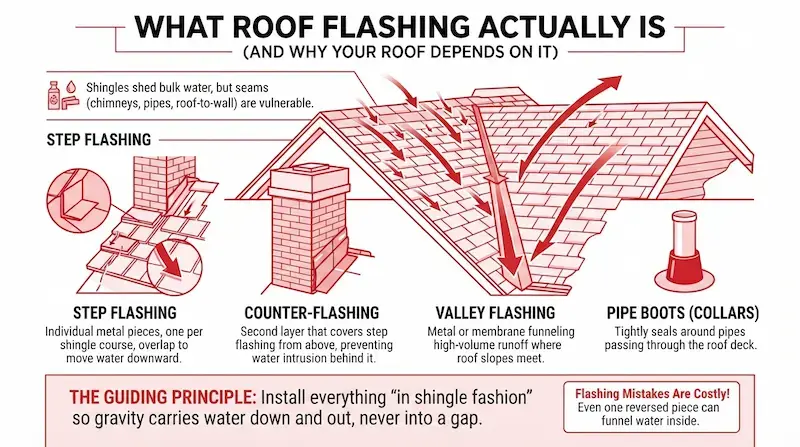
One of the most critical steps is regular professional roof inspections. We recommend at least once a year, and especially after any significant weather event. A trained eye can spot minor issues – like loose shingles, compromised flashing, or early signs of algae growth – before they escalate into costly repairs. Early detection and repair are key to preventing extensive damage. This includes clearing gutters, trimming overhanging branches, and ensuring proper attic ventilation to reduce heat buildup and moisture.
Choosing the Right Materials and Installer
When it's time for a new roof or a major repair, selecting materials specifically designed for Florida's climate is paramount. Look for products with high wind ratings, UV resistance, and impact resistance. Equally important is choosing a reputable, local roofing contractor. KFR Roofing Solutions, as a Black family-owned business, understands the unique needs of Tallahassee and North Florida homeowners. We pride ourselves on using high-quality, climate-appropriate materials and employing skilled, certified installers who adhere to the strictest building codes and best practices. Our commitment is to our community, ensuring every roof we install provides lasting protection and peace of mind.
The Importance of Proper Ventilation
Adequate attic ventilation is often underestimated but plays a crucial role in roof longevity, especially in Florida's heat. Proper ventilation allows hot, moist air to escape the attic, preventing heat buildup that can cook shingles from the inside out and reducing moisture that can lead to mold and rot. It also helps to balance the temperature between the attic and the outside, minimizing the expansion and contraction cycles that stress roofing materials.
Why KFR Roofing Solutions is Your Trusted Partner
At KFR Roofing Solutions, we're more than just a roofing company; we're a part of the Tallahassee and North Florida community. As a Black family-owned business, we are deeply committed to providing exceptional service, honest advice, and superior craftsmanship to our neighbors. We understand the specific challenges our climate presents and offer tailored solutions that ensure your roof is built to last.

Our team is dedicated to educating homeowners, offering transparent assessments, and delivering reliable, high-quality roofing services that protect your home and investment for years to come. When you choose KFR, you're choosing a partner who cares about your home as much as you do.
FAQ Section
How often should I have my roof inspected in Florida?
We recommend a professional roof inspection at least once a year, and always after any significant weather event like a hurricane or severe thunderstorm. This helps catch small issues before they become major problems.
What are the best roofing materials for Florida's climate?
Metal roofing and tile roofing (clay or concrete) are generally considered the most durable and long-lasting options for Florida due to their resistance to high winds, UV rays, and heat. High-quality, impact-resistant asphalt shingles designed for severe weather are also a viable option.
Can I clean moss or algae off my roof myself?
While some homeowners attempt DIY cleaning, it's often best left to professionals. Improper cleaning methods can damage shingles or tiles. Professionals use specialized, gentle solutions that effectively remove growth without harming your roof.
How does attic ventilation affect my roof's lifespan?
Proper attic ventilation is crucial. It helps release trapped heat and moisture from your attic, preventing premature aging of roofing materials, reducing the risk of mold, and improving your home's energy efficiency.
What are the signs that my roof needs repair or replacement?
Common signs include missing or cracked shingles, granule loss (for asphalt roofs), water stains on ceilings, a sagging roof deck, or visible damage after a storm. If you notice any of these, it's time to call a professional for an assessment.
Is KFR Roofing Solutions licensed and insured?
Yes, KFR Roofing Solutions is fully licensed and insured to operate in Florida. We adhere to all state and local regulations, ensuring peace of mind for our clients.
Disclaimer
The information provided in this blog article is intended for general educational purposes only and should not be considered professional roofing advice. While we strive to offer accurate and helpful insights, every roof and home is unique, and specific conditions may vary. For personalized assessments, recommendations, and services, please consult with a qualified and licensed roofing professional. KFR Roofing Solutions is not liable for any actions taken based on the information presented herein without direct professional consultation.