%20copy.png)

Why August Is Tallahassee's Peak Roof-Stress Season — And What That Means for Your Home
If you ask most Tallahassee homeowners when their roof is most at risk, they'll say "hurricane season" — and stop there. But that's only half the story. This time of year, North Florida roofs are absorbing the region's most intense heat and UV exposure of the entire year, day after day, at the exact same time the Atlantic is churning out its most active tropical weather.
That overlap is what makes this stretch of summer the true peak roof-stress season in Tallahassee — not because of the heat alone, and not because of storms alone, but because of what happens when a roof gets baked for weeks and then asked to hold up against wind and rain with no recovery time in between.
This isn't another hurricane-prep checklist. We've written those, and they matter. This one is about something homeowners rarely hear discussed: how the heat before a storm quietly sets your roof up to fail during one — and what that means for how (and when) you should be thinking about roof care.
The Double Threat: Why This Time of Year Hits Roofs Harder Than Any Other
Roof stress isn't one event — it's a buildup. And in Tallahassee, two separate stress sources land on top of each other at exactly the same time of year.

The Heat Half of the Equation
Tallahassee summers are genuinely brutal on a roof. According to the National Weather Service's climate normals for Tallahassee, the average high temperature in August sits around 92°F, with recorded highs that have topped 100°F — the hottest stretch of the entire year for this part of North Florida (NWS Tallahassee Climate Normals & Records).
Air temperature is only part of the story, though. A roof surface runs far hotter than the air above it, because shingles absorb solar radiation all day long. The Environmental Protection Agency notes that a roof's solar reflectance — how much sunlight it bounces away versus absorbs — directly drives how hot the roof surface and the attic underneath it get, and that low-reflectance (dark, standard) roofing can push both roof and attic temperatures significantly higher than more reflective materials (EPA: Using Cool Roofs to Reduce Heat Islands). Every one of those hot afternoons is followed by a cooler night, and that daily heat-up/cool-down cycle is exactly what engineers call thermal cycling — and it's cumulative.
The Storm Half of the Equation
At the same time all that heat is building up, the Atlantic hurricane season is hitting its stride. NOAA's own climatology is blunt about the timing: the season officially runs June 1 through November 30, but activity is heavily concentrated from mid-August through mid-October, when the basin sees roughly 78% of tropical storm days, 87% of Category 1–2 hurricane days, and a striking 96% of major hurricane days — with the single most active date of the whole season landing around September 10 (NOAA: The Peak of Hurricane Season — Why Now?).
Put plainly: the weeks Tallahassee roofs spend absorbing the most sun and heat of the year are the same weeks Florida's odds of a tropical system spinning up are climbing fastest. That's not a coincidence homeowners think about often, but it's the whole reason this stretch of the calendar deserves its own conversation, separate from a general hurricane checklist.
What's Actually Happening to Your Roof in All That Heat
It helps to understand the mechanics, in plain terms, of what heat does to a roof before a storm ever arrives.

Thermal expansion and contraction. Roofing materials — shingles, flashing, sealants, even the nails holding everything down — expand slightly as they heat up and contract as they cool. Do that every single day for a month straight, and fasteners can work slightly loose, seams can shift, and sealants can start to lose their grip.
UV degradation of asphalt shingles. Sunlight doesn't just heat a roof — it chemically ages it. Asphalt shingles are coated in protective granules that shield the asphalt layer underneath from ultraviolet radiation. Over time and heavy sun exposure, those granules loosen and shed, and once they're gone, the asphalt beneath is exposed directly to UV rays, which speeds up oxidation and makes the material more brittle and prone to cracking.
Softened sealants and adhesive strips. High heat can temporarily soften the adhesive strips that bond shingles together. That's normally harmless — but it also means a roof in the middle of an August heat wave is, in a small but real way, less structurally "locked down" than the same roof on a mild spring day.
Attic heat buildup. A hot roof surface transfers heat into the attic below it, and a poorly ventilated attic can trap that heat, adding strain on the roof deck itself from underneath as well as from the sun above.
None of these things fail a roof on their own in a single afternoon. They're closer to fatigue — small, repeated stress that adds up over the course of the hottest weeks of the year.
Myth vs. Reality: Heat and Roof Damage
Myth: "Heat damage only matters in extreme climates like Arizona or Texas."
Reality: Tallahassee's combination of high heat and high humidity is its own kind of tough on roofing. Humidity slows how quickly a roof can shed moisture and cool down overnight, which means North Florida roofs don't always get the same "reset" that a hot-but-dry climate roof gets after sundown.

Myth: "If my roof isn't leaking, heat isn't hurting it."
Reality: Heat damage is cumulative and often invisible from the ground. Granule loss, brittle shingles, and loosened fasteners typically show up as a slow decline in wind resistance — not a leak — until a storm arrives and finds the weak point for you.
Myth: "A newer roof doesn't need to worry about this."
Reality: Newer roofs handle thermal cycling better, but they aren't exempt from it. Every roof, regardless of age, experiences the same daily expansion-contraction cycle in August heat — a newer roof just has more built-in tolerance before it becomes a real problem.
Myth: "August heat and August storms are two separate issues."
Reality: This is the whole point of this article. A roof doesn't get a break between them. It absorbs weeks of thermal stress and then, sometimes within the same week, gets tested by wind-driven rain — on top of, not instead of, that existing fatigue.
The Compounding Effect: Why a Heat-Weakened Roof Fails Faster in a Storm
This is the part that generic hurricane-prep content tends to skip entirely. A roof that's already dealing with loosened fasteners, thinning granule coverage, and slightly softened sealant isn't starting a storm from a position of full strength — it's starting from a position of accumulated summer fatigue. Wind that a fully sound roof might shrug off can be enough to lift a shingle edge that heat has already made brittle. Wind-driven rain can find its way through a seam that a month of expansion and contraction has already worked loose.
That's the real argument for getting ahead of it before the peak of hurricane season, not just before a specific storm is named and tracked. Waiting until a storm is 72 hours out to think about your roof means you're starting from wherever August already left it.
The KFR Difference
KFR Roofing Solutions is a proud Black-owned, family-owned business rooted right here in Tallahassee — this isn't an abstract climate problem to us, it's the same North Florida heat and storm pattern our own families deal with every year. That local, lived-in perspective shapes how we talk to homeowners: we'd rather explain what's actually happening to a roof and let you make an informed call than push a sale you don't need yet.
That's also why we build our approach around education first — a free inspection isn't a sales pitch, it's a straightforward look at where your roof actually stands heading into the most demanding stretch of the year, explained in plain language, not jargon. And because we know a roof repair or replacement can be a big, sometimes unplanned expense, we offer zero-down financing options and a price match program to make sure cost isn't the reason a real problem gets put off. For homeowners who'd rather stay ahead of seasonal stress year-round instead of reacting to it, our Roof Shield Club membership builds in regular inspections and storm-season support so nothing catches you by surprise.
Practical Tips to Protect Your Roof Through Peak Season
Get a professional inspection before storm activity peaks, not after a storm is already forecast. A trained eye can spot granule loss, lifted shingle edges, and soft spots that aren't visible from the ground.
Check your attic ventilation. Good airflow helps heat escape instead of building up under the roof deck, easing one layer of the thermal stress your roof is under.
Clear gutters and downspouts now, while the weather is calm. Heat-hardened debris is more work to clear once wind-driven rain is already testing your drainage.
Look for granule buildup in gutters — a sign your shingles are shedding their UV-protective layer faster than normal.
Photograph your roof from the ground periodically through the season. It's a simple record that makes before/after comparison easier if a storm does cause damage.
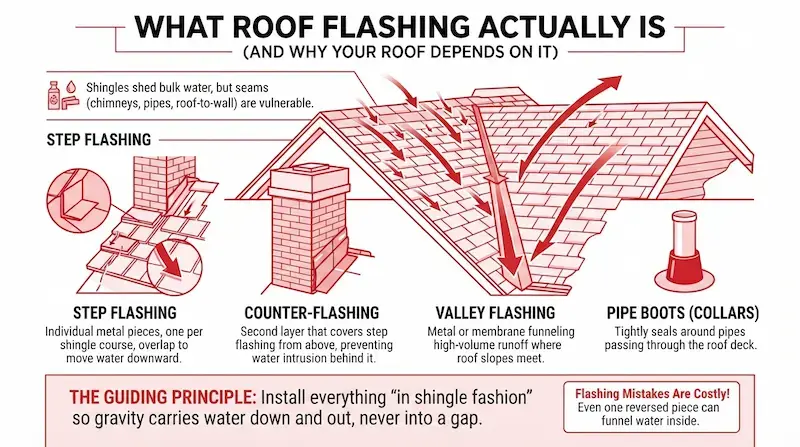
Don't wait for a named storm to act. If an inspection turns up loose flashing, cracked shingles, or worn sealant, addressing it while skies are clear is far easier — and often less expensive — than an emergency repair mid-storm.
Ask about your workmanship warranty before any repair or replacement, so you understand exactly what's covered and for how long.
Frequently Asked Questions
1. Why is August specifically worse for roofs than other summer months?
August combines Tallahassee's highest average temperatures with the sharpest rise in Atlantic hurricane activity of the year, so heat-related wear and storm risk are both near their peak at the same time — rather than happening months apart.
2. Can heat alone actually damage a roof, even without a storm?
Yes. Repeated daily heating and cooling causes materials to expand and contract, which can loosen fasteners and seams over time, and prolonged UV exposure gradually degrades the granules and asphalt in shingles, even on a roof that never sees a drop of storm rain.
3. How do I know if my roof has heat damage?
Common signs include granules collecting in gutters, shingles that look curled, cracked, or brittle, and fading or discoloration in a pattern that matches direct sun exposure. Many of these are easiest to spot with a professional inspection rather than from the ground.
4. Does a metal roof handle this heat-and-storm combination differently than shingles?
Metal roofing generally handles heat cycling well and can offer strong wind resistance, but every roofing material has its own considerations for North Florida's climate. A roofing professional can walk you through the trade-offs for your specific home.
5. Is it too late to get an inspection once hurricane season has already started?
Not at all — an inspection is useful any time, and getting one during this peak window can still catch problems before the next storm system develops.
6. Will my homeowner's insurance require proof of roof maintenance?
Requirements vary by insurer and policy, so it's worth checking directly with your insurance provider. Keeping inspection records and photos on hand is a reasonable practice regardless of your specific policy terms.
7. How often should a Tallahassee homeowner have their roof inspected?
Many roofing professionals recommend at least an annual inspection, with an additional check heading into the most active stretch of hurricane season being a smart extra step for North Florida homes.
8. What should I do if I find damage during an inspection this time of year?
Address it promptly rather than waiting. A small repair identified in calm weather is generally far more manageable than the same issue after it's been tested by wind and rain.
Ready to Get Ahead of Peak Roof-Stress Season?
You don't have to wait for a storm forecast to find out where your roof actually stands. KFR Roofing Solutions offers free consultations for Tallahassee and North Florida homeowners who want a clear, honest read on their roof heading into the most demanding stretch of the year — no pressure, just straight answers from a team that calls this community home. Call us at 850-576-1032 to schedule your free consultation or request a free quote today.
Disclaimer: This article is provided for general informational purposes only and does not constitute professional roofing, engineering, insurance, or legal advice. Roof conditions vary by home, materials, and site-specific factors. Always consult a qualified, licensed roofing contractor for an assessment of your specific property, and speak with your insurance provider regarding your policy's specific coverage and requirements.