%20copy.png)

The Hidden Dangers of Algae Growth on Florida Roofs (And How to Prevent It)
- Apr 14
- 6 min read

Understanding Florida's Unique Roofing Challenge: Algae Growth
Florida's warm, humid climate is a paradise for many things, but unfortunately, it's also an ideal breeding ground for a persistent roofing nuisance: algae. Those unsightly black streaks you often see on roofs across Tallahassee and North Florida aren't just dirt; they're typically a type of blue-green algae called Gloeocapsa magma. This airborne organism thrives in moist environments and can quickly colonize asphalt shingles, leading to more than just aesthetic concerns.
At KFR Roofing Solutions, a proud Black family-owned business deeply rooted in the Florida community, we understand these local challenges better than anyone. We've been helping our neighbors protect their homes for years, and one of the most common issues we address is the pervasive problem of roof algae. It's not just about curb appeal; unchecked algae growth on florida roofs can lead to significant, hidden dangers for your home.
The Science Behind the Streaks: Why Florida Roofs are Susceptible
The prevalence of Gloeocapsa magma in Florida is no accident. Our state's high humidity, frequent rainfall, and intense sun create the perfect microclimate for this algae to flourish. The limestone fillers commonly used in asphalt shingles provide a rich food source for the algae, allowing it to multiply rapidly. As the algae grows, it develops a dark, pigment-rich outer coating to protect itself from harmful UV rays, which is what gives it that characteristic black appearance. Shaded areas of your roof, often under trees, are particularly vulnerable as they retain moisture longer, offering an even more hospitable environment for algae colonies.
The Hidden Dangers: More Than Just an Eyesore
While the aesthetic impact of black streaks on your roof is immediately noticeable, the dangers extend far beyond visual appeal. Many homeowners are unaware of the potential long-term damage and costs associated with neglected algae growth.
1. Premature Roof Deterioration and Shingle Damage
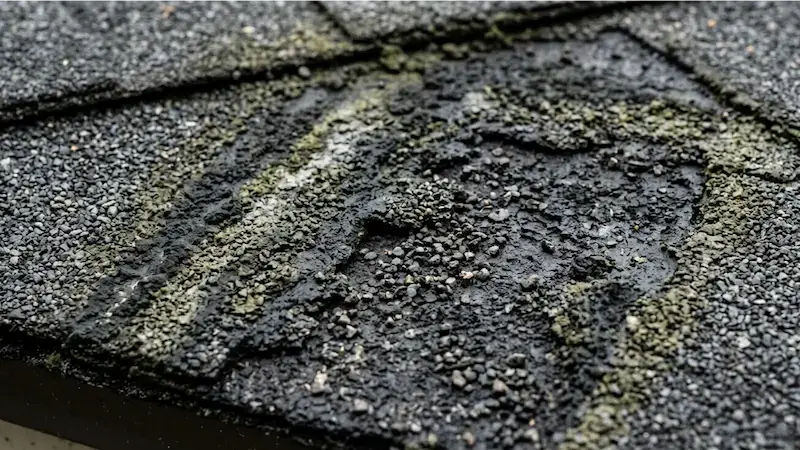
The Gloeocapsa magma algae doesn't just sit on your roof; it actively feeds on the limestone granules embedded in your asphalt shingles. Over time, this process can cause the granules to dislodge, leading to premature wear and tear of your roofing material. These granules are crucial for protecting your shingles from UV radiation and providing fire resistance. Their loss can significantly shorten the lifespan of your roof, leading to costly repairs or even premature replacement.
2. Increased Energy Bills
Dark-colored algae growth absorbs more sunlight than clean shingles. This increased heat absorption can lead to higher temperatures in your attic and, consequently, throughout your home. In Florida's already scorching summers, this means your air conditioning system has to work harder to maintain a comfortable indoor temperature, resulting in higher energy consumption and inflated utility bills. A clean roof reflects more sunlight, helping to keep your home cooler and more energy-efficient.
3. Moisture Retention and Potential for Leaks
Algae, especially when it forms thicker mats, can trap and retain moisture on your roof's surface. This prolonged dampness can create an environment conducive to the growth of other harmful organisms like moss and lichen, which can further exacerbate moisture problems. Consistent moisture can also lead to the degradation of roofing materials, potentially compromising the integrity of your roof and increasing the risk of water penetration and leaks into your home.
4. Reduced Property Value
Curb appeal plays a significant role in property value. A roof covered in black streaks and green algae can make your home look neglected and unkempt, deterring potential buyers. If you're considering selling your home in the future, a clean, well-maintained roof can significantly enhance its marketability and overall value. Investing in algae prevention and removal is an investment in your home's future.
Prevention is Key: Proactive Steps for Florida Homeowners
Preventing algae growth is far more cost-effective and less damaging than dealing with a full-blown infestation. As your local roofing experts, KFR Roofing Solutions recommends several proactive measures to keep your roof healthy and algae-free.
1. Regular Roof Cleaning (Soft Washing)
The most effective way to combat existing algae and prevent its return is through professional soft washing. Unlike high-pressure washing, which can damage shingles, soft washing uses a low-pressure stream combined with specialized, eco-friendly cleaning solutions to safely and effectively kill algae, mold, and mildew. This method cleans your roof without stripping away protective granules or compromising its integrity. KFR Roofing Solutions specializes in soft wash techniques, ensuring your roof is cleaned thoroughly and safely.
2. Trim Overhanging Branches
Trees provide shade, which can be a double-edged sword for your roof. While shade can help reduce cooling costs, overhanging branches also create shaded, damp areas where algae thrives. They also deposit leaves and debris that retain moisture. Regularly trimming branches that hang over your roof can significantly reduce moisture retention and sunlight blockage, making your roof less hospitable to algae.
3. Install Zinc or Copper Strips
Metals like zinc and copper are natural inhibitors of algae growth. When installed along the ridge of your roof, these strips release microscopic particles with each rainfall. These particles wash down the roof surface, creating an environment that is toxic to algae and preventing its growth. This is a long-term, passive prevention method that can be highly effective, especially when combined with other strategies.
4. Consider Algae-Resistant Shingles
If you're due for a roof replacement, consider investing in algae-resistant shingles. Many manufacturers now offer shingles infused with copper granules, which provide a continuous, slow-release algae-killing agent. These shingles are specifically designed for humid climates like Florida's and can offer decades of protection against Gloeocapsa magma.
KFR Roofing Solutions: Your Local Partner in Roof Health

At KFR Roofing Solutions, we're more than just a roofing company; we're a part of the Tallahassee and North Florida community. As a Black family-owned business, we pride ourselves on delivering exceptional service, honest advice, and lasting solutions to our neighbors. We understand the unique challenges Florida homeowners face, and we're committed to helping you protect your most valuable asset – your home.
From comprehensive roof inspections to professional soft washing and expert advice on long-term prevention, our team is equipped with the knowledge and experience to keep your roof in pristine condition. Don't let hidden algae dangers compromise your home's integrity or your peace of mind. Trust the local experts who care.
FAQ Section
Q1: What are the black streaks on my roof?
A1: The black streaks commonly seen on roofs in Florida are primarily caused by a type of blue-green algae called Gloeocapsa magma. This algae thrives in humid, warm environments and feeds on the limestone fillers in asphalt shingles.
Q2: Is roof algae harmful to my roof?
A2: Yes, roof algae can be harmful. It feeds on the granules of asphalt shingles, leading to premature deterioration. It also absorbs heat, potentially increasing your energy bills, and can trap moisture, contributing to other issues like moss growth and potential leaks.
Q3: Can I clean the algae off my roof myself?
A3: While some DIY methods exist, it's generally recommended to hire professionals for roof cleaning. High-pressure washing can damage shingles, and improper use of chemicals can be harmful to your roof, landscaping, and yourself. Professional soft washing is the safest and most effective method.
Q4: How often should I have my roof cleaned in Florida?
A4: The frequency depends on various factors like tree coverage, roof slope, and local humidity. However, in Florida's climate, many homeowners find that a professional soft wash every 1-3 years helps maintain a clean and healthy roof.
Q5: Do algae-resistant shingles really work?
A5: Yes, algae-resistant shingles are designed with copper granules that inhibit algae growth. They are highly effective in preventing Gloeocapsa magma and are an excellent investment for homes in humid climates like Florida.
Q6: Will algae growth void my roof warranty?
A6: It depends on your specific warranty. Some manufacturers' warranties may be affected by improper cleaning methods or neglected maintenance. Always check your warranty details and consider professional cleaning to ensure compliance.
Q7: What's the difference between algae, moss, and lichen?
A7: Algae (like Gloeocapsa magma) typically appears as black streaks. Moss is a green, fuzzy plant that grows in thick mats, often in shaded, damp areas. Lichen is a composite organism (algae and fungus) that appears as crusty, patchy growths. All three can be detrimental to your roof.
Disclaimer
The information provided in this blog post by KFR Roofing Solutions is intended for general educational purposes only and should not be considered professional advice. While we strive to offer accurate and up-to-date information, roofing conditions and solutions can vary significantly. For specific concerns regarding your roof, including algae growth, damage assessment, or cleaning methods, we strongly recommend consulting with a qualified and licensed roofing professional. KFR Roofing Solutions is not liable for any actions taken based on the information presented here without direct professional consultation.