%20copy.png)

Home Generators 101: Why More Tallahassee Homeowners Are Pairing a Generator With Their Roof This Storm Season
When a strong storm rolls through North Florida, it rarely sends just one problem your way. Wind and hail can loosen shingles or open up a leak, and in the same afternoon, the power grid can go down for hours — sometimes days. Suddenly you're not just worried about water finding its way into your attic; you're worried about food spoiling in the fridge, a sump pump gone silent right when you need it most, or a family member's medical equipment losing power. That one-two punch is exactly why more Tallahassee homeowners are treating their roof and their home generator as one decision, not two — because storm season tends to test both at once.
This guide walks through the basics: the difference between portable and standby generators, how homeowners typically think about sizing, the safety rules that matter most, and why it makes sense to talk about generator protection in the same conversation as a roof inspection. As always, our goal is to help you understand your options — not to pressure you into a purchase.
Why Roof Damage and Power Outages Tend to Show Up Together in Tallahassee
North Florida sees real hurricane exposure nearly every year, and Tallahassee's tree canopy — as beautiful as it is — means high winds bring down limbs onto power lines just as easily as they lift shingles. When Hurricane Michael made landfall in 2018, electric load in the Tallahassee area dropped to roughly 30% of its forecasted peak within hours, and it took about five days for demand — and restored service — to climb back to pre-storm levels, according to the U.S. Energy Information Administration.¹ Hurricane Idalia in 2023 knocked out power to over a third of the city's utility customers in a single afternoon.

That combination — a roof that may have sustained damage you can't fully assess until an inspection, and a power outage that could stretch on for days — is the exact situation a generator is built for. While your roofing contractor schedules an inspection or lines up materials, a generator keeps your household running: your refrigerator holding its temperature, your sump pump keeping water out of a basement or crawl space, fans and dehumidifiers helping manage a minor leak until repairs happen, and medical devices like oxygen concentrators or CPAP machines staying powered for anyone who depends on them.
Thinking about a home generator as part of your broader storm-readiness plan — alongside your roof — is simply a more complete way to protect your household when North Florida weather turns.
Home Generator Basics: Portable vs. Standby (Whole-Home)
Not all generators work the same way, and understanding the two main categories is the first step toward figuring out what might fit your household.

Portable Generators
Gas- or propane-powered units that sit outside your home and connect to specific appliances or circuits, either through extension cords or a manual transfer switch
Lower upfront cost than a standby system
Require you to manually start them, refuel them, and (ideally) connect them through a properly installed transfer switch rather than running extension cords into the house
Best suited for covering a handful of essentials — refrigerator, some lighting, a sump pump, phone chargers — rather than the whole house at once
Need to be stored, maintained, and fueled ahead of a storm, which can be a challenge if you're trying to buy fuel during an evacuation-level rush
Standby (Whole-Home) Generators
Permanently installed outside the home, typically fueled by the home's existing natural gas or a dedicated propane tank
Connected through an automatic transfer switch that detects a power loss and starts the generator on its own — often within seconds, with no one needing to be home
Sized to cover some or all of a home's electrical load, from just the essential circuits up to the entire house
Higher upfront investment than a portable unit, but far less hands-on during an actual outage, and many run a brief self-test automatically on a schedule so you're not finding out it doesn't work in the middle of a storm
A more permanent, "set it and forget it" layer of protection for homeowners who've dealt with repeated outages or have circuits they can't afford to lose power to (medical equipment, well pumps, security systems)
There isn't a universally "right" choice between the two — it comes down to budget, how often your area loses power, and what you absolutely need to keep running. A KFR team member can walk through your household's specific needs and help you think through which category makes sense before you get into product-level decisions.
How Much Power Does a Typical Home Need?
This is one of the most common questions homeowners have, and the honest answer is: it depends on your home and your priorities.

Here's the general framework worth understanding before any conversation with a contractor or electrician:
Running watts vs. starting watts. Every appliance has a continuous ("running") wattage draw, and many — especially anything with a motor, like a refrigerator, well pump, or air conditioner — have a much higher "starting" or "surge" wattage for the moment they kick on. A generator needs to be sized for the starting watts of your heaviest appliances, not just their running watts.
Essential-circuits sizing. Many homeowners size a portable generator around a short list of must-haves — refrigerator/freezer, a handful of lights, a sump pump, communication devices — which sits at the lower end of the sizing spectrum.
Whole-home sizing. Covering everything — central air, an electric range, a well pump, and general household circuits at once — takes considerably more capacity, which is why standby systems are sized using an actual load calculation of your home's panel.
Skip the guesswork. Online wattage charts are a fine starting point for education, but every home's panel and priorities differ. An undersized generator can trip breakers or fail to start your AC compressor; an oversized one is money spent on capacity you'll never use.
Because KFR's exact generator lineup depends on what's right for your home, we keep this section general on purpose. If you want real numbers, that's what a free consultation is for — someone can walk your property, look at your panel, and talk through what size fits your household and budget.
Generator Safety Basics Every Homeowner Should Know
A generator is a powerful tool, but like anything that generates electricity and burns fuel, it comes with real risks if it's set up or used incorrectly. These are the basics every homeowner should know before running one.
Carbon Monoxide Is the #1 Danger
Carbon monoxide (CO) is colorless and odorless, and portable generators can produce it in concentrations fatal within minutes in an enclosed space. The Consumer Product Safety Commission has found that portable generators are involved in the majority of engine-related CO poisoning deaths in the U.S. each year.²
Never run a portable generator inside a home, garage, basement, crawl space, porch, or shed — even with doors and windows open
Position the generator outdoors, at least 20 feet from any window, door, or vent, with the exhaust pointed away from the house, per CDC and Ready.gov guidance³ ⁴
Install battery-powered or battery-backup CO detectors on every level of your home, especially near sleeping areas
Know the symptoms of CO poisoning — headache, dizziness, weakness, nausea, and confusion — and get to fresh air immediately, then call 911, if anyone in the home experiences them
Transfer Switches Prevent Backfeeding
Connecting a generator directly into your home's wiring (a practice sometimes called "backfeeding") without a properly installed transfer switch is dangerous for two reasons: it can send electricity back down the power lines toward the utility grid, putting utility workers at serious risk of electrocution, and it can damage your home's electrical system or the generator itself. A licensed electrician-installed transfer switch — manual or automatic — is the safe, code-compliant way to connect a generator to specific circuits or your whole panel.
Fuel and Electrical Basics
Never refuel a generator while it's running or still hot — let it cool first
Store gasoline or propane in approved containers, away from the house and any ignition sources
Keep the generator dry — never operate it in rain or standing water, and use a generator-rated cover if needed
Use heavy-duty, outdoor-rated extension cords if running a portable unit, and don't overload them
None of this is meant to talk you out of owning a generator — it's meant to make sure the one you own actually protects your family instead of introducing a new risk.
Why Pairing a Generator Consultation With a Roof Inspection Makes Sense
Here's the practical case for thinking about these two things together: a compromised roof and a power outage tend to get discovered — or get worse — at the exact same moment, right after a storm. If a contractor is already on your property assessing wind or hail damage, that's a natural moment to also talk through your home's backup power situation, especially if you're not confident the generator you have (or don't have) is sized correctly.
Bundling the conversation also means one point of contact instead of juggling separate roofing and electrical estimates, and it means storm-season prep — tarping a compromised roof, running fans and dehumidifiers to manage a leak, keeping your fridge and sump pump running — can be planned around one visit instead of scrambled together after the next storm warning goes up.
The KFR Difference
KFR Roofing Solutions is a proud Black, family-owned business that's spent more than a decade working on roofs across Tallahassee and North Florida — and we've seen firsthand how often a damaged roof and a dead power line show up in the same homeowner's story after a storm. That's part of why we added generator sales and installation alongside roofing: it's another way to help our neighbors protect the home itself, not just the roof over it.
We approach generators the way we approach roofing — as educators first. We won't push a system bigger or pricier than your home needs. We'll walk your property, talk through your priorities, and help you understand your real options, the same transparent way we handle every roof inspection. And for homeowners weighing the upfront cost, our zero-down financing options can make it easier to add generator protection without paying everything out of pocket at once.
Practical Tips: Getting Storm-Ready Before the Season Peaks
Test before you need it. Run an existing generator under load at the start of storm season to confirm it starts reliably.
Check your fuel plan now. Gas stations sell out fast once a storm is in the forecast — store fuel safely and rotate it if you're relying on gasoline.
Have your transfer switch inspected. If it's been a while since a licensed electrician looked at it, get it checked before hurricane season peaks.
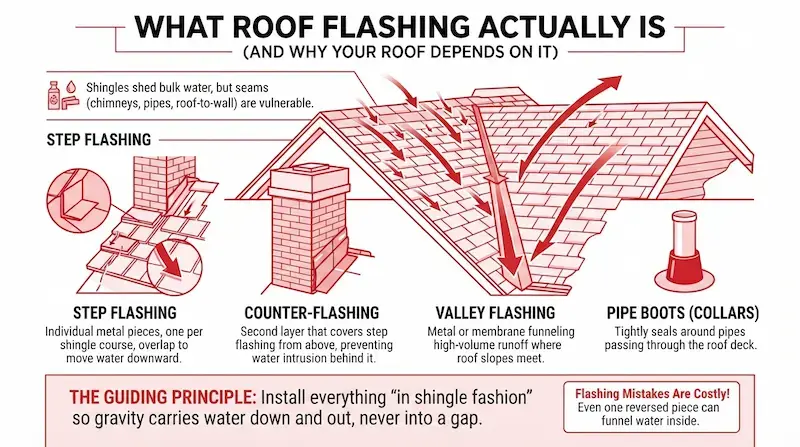
Pair it with a roof check. Catching a small issue — a lifted shingle, aging flashing — before a storm is far cheaper than dealing with interior water damage after one.
Make a priority-circuit list. Know which circuits matter most to your household if you ever need to conserve fuel or capacity.
Keep CO detectors fresh. Check batteries and replace detectors on schedule — don't wait for an outage to find out one's dead.
Know your shutoff basics. Everyone who might be home alone during an outage should know how to safely start, stop, and refuel the generator — or know not to touch it and to call for help.

Frequently Asked Questions
1. Do I need a permit to install a standby generator in Tallahassee?
In most cases, yes — standby installations typically require an electrical permit and sometimes a gas permit, depending on fuel source. A licensed installer pulls the correct permits as part of the job.
2. Can a portable generator run my whole house?
Generally, no. Portable generators are typically sized to cover a handful of essential circuits — refrigerator, some lights, a sump pump — rather than an entire home's load, including central air. Whole-home coverage is usually the job of a properly sized standby system.
3. How long can a standby generator run during an extended outage?
It depends on fuel source. Natural-gas-fed units can run as long as the gas supply holds, since they're tied to the utility line rather than a fixed tank. Propane-fed systems run until the tank needs a refill. Either way, routine maintenance matters — talk to your installer about a service schedule.
4. Is it safe to run a generator during a rainstorm?
Not without protection. Generators and water don't mix — operating one in rain or near standing water creates a serious electrical hazard. Use a unit rated for wet-weather operation, or a purpose-built canopy, if you need to run one during active weather.
5. What size generator does a typical Tallahassee home need?
There's no single answer — it depends on square footage, appliances, and which circuits you want covered. A licensed electrician or installer can do an actual load calculation based on your home's panel rather than relying on general online sizing charts.
6. Can I install a generator myself?
Connecting a generator to your home's electrical system — even a portable one via a manual transfer switch — should be done by a licensed electrician. Improper installation risks backfeeding electricity into utility lines, which can be fatal to line workers, plus fire and equipment-damage risks.
7. Does a generator help protect my roof directly?
Not directly — but it protects the home under the roof while repairs are arranged. Running fans and dehumidifiers off generator power can help manage a minor active leak and slow interior damage until a roofing crew makes permanent repairs.
8. Should I get my roof inspected even if it looks fine after a storm?
Yes. Wind and hail damage isn't always visible from the ground — lifted shingles and compromised flashing can lead to leaks weeks or months later. A free inspection after any significant storm is a good habit regardless of whether damage is obvious.
Protect Your Whole Home This Storm Season
A resilient roof and reliable backup power go hand in hand — and you don't have to figure out either one alone. If you're weighing a home generator, wondering whether your current roof can handle another storm season, or want to talk through both at once, KFR Roofing Solutions is here to help, no pressure attached. Reach out for a free consultation and quote at 850-576-1032, and let's talk through what actually makes sense for your home.
Disclaimer: This article is provided for general informational and educational purposes only and does not constitute professional, electrical, or safety advice. Generator sizing, installation, and electrical connections should always be evaluated and performed by a licensed electrician or qualified professional. Always follow manufacturer instructions and local building codes. Consult a qualified professional before purchasing, installing, or operating a generator.