%20copy.png)

Don’t Get Caught in the Storm: How to Prepare Your Roof for Florida’s Severe Weather
Updated: Jul 14

Introduction: Protecting Your Home, The KFR Way
Florida, with its stunning coastlines and vibrant communities, is also known for its unpredictable and often severe weather. From torrential downpours to the formidable force of hurricanes, our homes, particularly our roofs, bear the brunt of these natural phenomena. For homeowners in Tallahassee and across North Florida, ensuring your roof is storm-ready isn't just about property protection; it's about safeguarding your family and your peace of mind. At KFR Roofing Solutions, a proud Black family-owned business deeply rooted in the Florida community, we understand these challenges intimately. We're not just roofers; we're your neighbors, committed to providing reliable, expert advice and services to keep your home secure. This comprehensive guide will walk you through essential steps to prepare your roof for Florida's severe weather, offering practical tips and insights from local experts who truly care.
Understanding Florida's Unique Weather Challenges
Florida's climate is a double-edged sword, offering beautiful sunshine but also intense weather patterns that can severely impact residential roofing. The primary culprits are hurricanes, tropical storms, and prolonged periods of heavy rainfall, often accompanied by high winds. These aren't just minor inconveniences; they pose significant threats to the structural integrity of your roof.
Hurricanes, in particular, bring a devastating combination of extreme wind speeds and relentless rain. Wind uplift, a phenomenon where strong winds create pressure differences that attempt to pull the roof upwards, is a common cause of roof failure during these events. Even without missing shingles, wind-driven rain can infiltrate through tiny gaps, leading to insidious water damage, mold growth, and compromised insulation. Beyond hurricanes, even typical Florida thunderstorms can unleash powerful gusts and heavy downpours, testing the resilience of your roofing system. Understanding these specific threats is the first step in developing an effective preparedness strategy.
Proactive Roof Maintenance: Prepare Your Roof - First Line of Defense
The best defense against Florida's severe weather is a strong offense, starting with proactive and consistent roof maintenance. Regular attention to your roof can identify minor issues before they escalate into costly damage during a storm.
The Importance of Regular Inspections
Both DIY visual checks and professional inspections are crucial. Homeowners should periodically (at least twice a year, and especially before hurricane season) inspect their roofs from the ground or a sturdy ladder for visible signs of wear and tear. Look for cracked, curled, or missing shingles, loose or corroded flashing around chimneys and vents, and any signs of sagging. However, a professional roof inspection by a trusted company like KFR Roofing Solutions offers a more thorough assessment. Our experienced technicians can identify subtle weaknesses, such as aging fasteners or compromised underlayment, that might not be apparent to the untrained eye. Early detection and repair of these vulnerabilities can significantly enhance your roof's resilience.
Cleaning Gutters and Downspouts
Often overlooked, a functional gutter system is vital for effective water management. Clogged gutters and downspouts can cause water to back up, overflow, and pool around your roof's edges, leading to water infiltration under shingles and fascia damage. During heavy rains, this can exacerbate leaks and even compromise your home's foundation. Regularly clear leaves, twigs, and other debris from your gutters. Ensure downspouts are securely attached and direct water away from your home's foundation. Consider installing gutter guards to minimize future maintenance and ensure continuous water flow during intense rainfall.
Trimming Trees and Removing Debris
Overhanging tree branches pose a significant threat during high winds. They can scrape against your roof, causing abrasion and weakening materials, or worse, break off and fall onto your home, leading to catastrophic damage. Before storm season, trim any branches that are close to your roof or appear dead or weak. Additionally, secure or remove any loose outdoor items like patio furniture, grills, and decorative elements that could become dangerous projectiles in strong winds. A clear perimeter around your home reduces the risk of impact damage to your roof and exterior.
Strengthening Your Roof Against the Elements
Beyond routine maintenance, several measures can significantly strengthen your roof's ability to withstand severe weather.
Securing Loose Shingles and Flashing
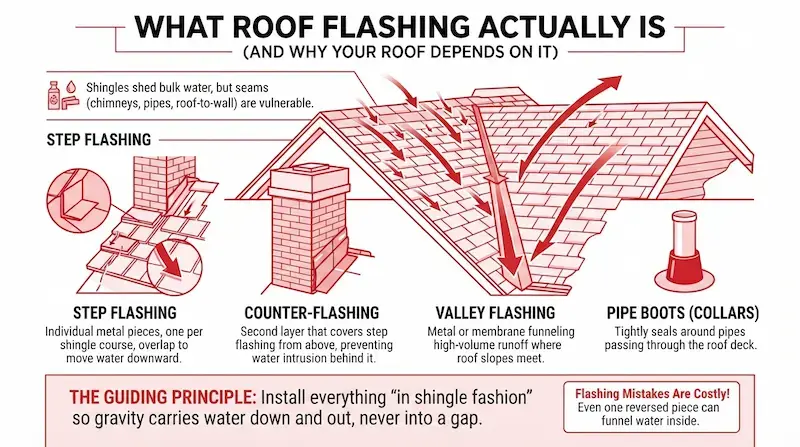
Even a single loose shingle can become a vulnerability, allowing wind to get underneath and peel back more of your roofing material. Re-secure any lifted shingle edges with roofing cement. Pay close attention to flashing—the metal strips installed around chimneys, vents, skylights, and along roof valleys. Flashing failures are a common source of leaks. Ensure all flashing is tightly sealed and free from corrosion or damage. Applying a high-quality, weather-resistant sealant around these critical areas can provide an extra layer of protection against water intrusion.

Roof Reinforcement: Hurricane Straps and Clips
For homes built before modern building codes, or those seeking enhanced protection, roof reinforcement can be a game-changer. Hurricane straps and clips are metal connectors that secure your roof's trusses or rafters to the walls of your home, significantly increasing its resistance to wind uplift. While this is typically a more involved project, often requiring professional installation, it can dramatically improve your home's structural integrity during extreme weather events. Florida's building codes have evolved to mandate such reinforcements for new constructions, highlighting their effectiveness.
Considering Roof Materials for Durability
When it's time for a roof replacement, choosing the right materials can make a substantial difference in storm resilience. While asphalt shingles are common, consider options designed for high-wind areas, such as architectural shingles with higher wind ratings. Metal roofs, when properly installed, are exceptionally durable and can withstand significant impact and wind speeds. Clay tiles also offer strength, though their effectiveness heavily relies on the condition of the underlayment. Discussing these options with KFR Roofing Solutions can help you select the best material for your home's specific needs and local weather patterns.
Emergency Preparedness: What to Do When a Storm Approaches
Even with the best proactive measures, severe weather can still be a threat. Knowing what to do in the days leading up to a storm can make a critical difference.
Your Pre-Storm Checklist
As a storm approaches, typically within 72 hours, finalize your preparations. This includes:
Secure Outdoor Items: Bring in or securely fasten anything that could become a projectile, including patio furniture, trash cans, and garden decorations.
Clear Drains: Ensure all gutters and downspouts are clear and functioning properly to handle heavy rainfall.
Review Emergency Plan: Confirm your family's emergency plan, including evacuation routes and meeting points.
Gather Supplies: Stock up on non-perishable food, water, batteries, flashlights, and any necessary medications.
Document Your Property: Take photos or videos of your home's interior and exterior, especially your roof, to document its condition before the storm. This can be invaluable for insurance claims later.
Emergency Contact Information
Keep essential contact information readily accessible, including KFR Roofing Solutions. In the aftermath of a storm, you'll want to quickly reach trusted professionals for damage assessment and emergency repairs. Having a reliable local partner like KFR means you'll have someone you can count on when you need it most.
After the Storm: Post-Weather Roof Care
Once the storm has passed, the work isn't over. Careful post-storm assessment and action are crucial to prevent further damage.
Safety First
Prioritize safety above all else. Do not attempt to inspect your roof during or immediately after a storm if conditions are unsafe. Avoid climbing onto a wet or damaged roof. Look for downed power lines, gas leaks, and structural damage before approaching your home. If you suspect significant damage, evacuate and contact emergency services.
Initial Damage Assessment
From a safe vantage point, conduct a visual inspection of your roof. Look for obvious signs of damage such as missing shingles, punctures, or large debris. Check your attic for any signs of water intrusion, such as stains or drips. Document everything with photos and videos, as this will be vital for your insurance claim.

Contacting Professionals: KFR Roofing Solutions
Even if damage appears minor, it's best to contact a professional roofing company like KFR Roofing Solutions for a thorough post-storm inspection. Hidden damage can lead to long-term problems if not addressed promptly. Our team can provide a detailed assessment, recommend necessary repairs, and help you navigate the next steps. As a local, Black family-owned business, we are committed to serving our community with integrity and efficiency, especially during challenging times.
Navigating Insurance Claims
Dealing with insurance companies can be daunting. KFR Roofing Solutions can assist you through the insurance claims process, providing accurate documentation and working directly with your insurer to ensure your claim is handled fairly and efficiently. We advocate for our customers, ensuring you receive the coverage you deserve to restore your home.
Why Choose KFR Roofing Solutions?
In a region prone to severe weather, choosing the right roofing partner is paramount. KFR Roofing Solutions stands out as a beacon of reliability, expertise, and community commitment in Tallahassee and North Florida. As a Black family-owned business, we bring a unique blend of dedication, personalized service, and deep understanding of local needs to every project. We pride ourselves on transparent communication, superior craftsmanship, and a genuine desire to protect our neighbors' homes. When you choose KFR, you're not just hiring a roofing contractor; you're partnering with a trusted local expert who treats your home with the same care as their own.
Frequently Asked Questions (FAQ)
How often should I have my roof inspected in Florida?
We recommend a professional roof inspection at least once a year, and ideally twice a year – once in the spring before hurricane season, and again in the fall. After any significant storm, an inspection is also highly advisable.
Can I repair my roof myself after a minor storm?
While minor cosmetic issues might seem manageable, we strongly advise against DIY roof repairs, especially after a storm. What appears minor could be indicative of deeper, underlying damage. It's safer and more effective to have a professional assess and repair any damage to ensure the integrity of your roof.
What are the signs that my roof needs immediate attention after a storm?
Look for missing or severely damaged shingles, visible leaks in your attic or ceilings, sagging roof sections, or large debris on your roof. Any of these signs warrant immediate professional inspection.
Does my homeowner's insurance cover hurricane damage to my roof?
Most homeowner's insurance policies in Florida include coverage for hurricane damage, but specifics can vary. It's crucial to review your policy details, understand your deductible, and contact your insurer promptly after any damage occurs. KFR Roofing Solutions can help you navigate this process.
How long does a typical roof replacement take in Florida?
The duration of a roof replacement depends on several factors, including the size and complexity of your roof, the materials chosen, and weather conditions. Generally, a residential roof replacement can take anywhere from a few days to a couple of weeks. KFR provides clear timelines and keeps you informed throughout the process.
What are the benefits of impact-resistant shingles?
Impact-resistant shingles are designed to withstand hail and wind-borne debris better than standard shingles. They can offer enhanced protection during severe storms, potentially leading to insurance discounts and a longer lifespan for your roof.
How can I improve my roof's wind resistance?
Beyond regular maintenance, improving wind resistance can involve ensuring proper attic ventilation, reinforcing roof-to-wall connections with hurricane straps, and choosing high-wind-rated roofing materials during replacement. A professional assessment can identify the most effective upgrades for your specific roof.
Disclaimer
The information provided in this blog article by KFR Roofing Solutions is intended for general educational and informational purposes only. It does not constitute professional roofing advice, nor is it a substitute for consultation with a qualified roofing professional. While we strive to provide accurate and up-to-date information, Florida's building codes, weather patterns, and insurance policies are subject to change. Homeowners should always consult with a licensed and insured roofing contractor for specific advice regarding their property and any necessary repairs or installations. KFR Roofing Solutions is not responsible for any actions taken based on the information presented herein without direct professional consultation.