%20copy.png)

How Florida’s Humidity Affects Your Roof (And What You Can Do About It)
Updated: May 19

Stepping out into a typical Florida day, you’re immediately greeted by that familiar, thick embrace of humidity. While it’s a constant companion in our beautiful state, especially here in Tallahassee and across North Florida, this pervasive moisture can be a silent, relentless adversary to one of your home’s most critical defenses: your roof. It’s easy to overlook the subtle ways humidity works against your roofing system, but understanding its impact is the first step toward protecting your investment and ensuring your family’s comfort and safety. At KFR Roofing Solutions, a proud Black family-owned business deeply rooted in the Florida community, we understand these unique challenges. We’re not just roofers; we’re your neighbors, dedicated to providing honest, expert advice and lasting solutions to keep your home safe and dry.
The Unseen Enemy: How Humidity Wages a Silent War on Your Roof
Florida’s high humidity levels, often hovering between 70% and 90% for much of the year, create an environment ripe for various forms of roof degradation. This isn't just about the occasional downpour; it's the constant presence of moisture in the air that slowly but surely compromises your roofing materials and structure. The warm, moist air can infiltrate even the smallest crevices, leading to a cascade of problems that might not be immediately visible but can cause significant damage over time.
The Growth of Mold, Mildew, and Algae
One of the most noticeable effects of high humidity on Florida roofs is the proliferation of biological growth. Mold, mildew, and algae thrive in warm, damp conditions, turning your roof into an ideal breeding ground. These organisms don't just create unsightly black streaks or green patches; they actively degrade roofing materials. Algae, for instance, feeds on the limestone filler in asphalt shingles, causing granules to loosen and wash away. This granule loss not only diminishes your roof's aesthetic appeal but also reduces its ability to reflect UV rays, accelerating the aging process of the shingles and compromising their protective capabilities. Mold and mildew can also trap moisture against the roof surface, leading to further deterioration and potentially compromising the integrity of the underlying materials.

The Threat of Wood Rot
Beneath your shingles and underlayment lies the roof deck, often made of plywood or OSB. When moisture penetrates the roofing system, either through damaged shingles, inadequate flashing, or poor ventilation, it can get trapped in the attic space or directly on the wood sheathing. This constant dampness creates the perfect conditions for wood rot. Wood rot weakens the structural components of your roof, making it more susceptible to damage from strong winds and heavy rains, common occurrences in Florida. In severe cases, extensive wood rot can lead to sagging rooflines, compromised structural integrity, and even collapse, posing a serious threat to your home and family. The Florida Building Code emphasizes the importance of weather protection, including proper flashing, to prevent moisture intrusion into roof assemblies.
The Acceleration of Material Aging
Beyond biological growth and wood rot, humidity plays a significant role in accelerating the overall aging process of roofing materials. The constant expansion and contraction caused by temperature fluctuations, combined with the presence of moisture, can stress materials like asphalt shingles, leading to cracking, curling, and blistering. This process is further exacerbated by Florida's intense UV radiation. The combination of UV exposure and high humidity breaks down the chemical bonds within roofing materials more rapidly than in drier climates, significantly shortening their lifespan and requiring earlier replacement. Even seemingly robust materials can succumb to this relentless assault, making regular inspections and timely maintenance crucial for Florida homeowners.
Your First Line of Defense: Proactive Measures to Protect Your Roof
While Florida’s humidity is an undeniable force, homeowners are not powerless against its effects. Implementing proactive measures and making informed choices about your roofing system can significantly mitigate humidity-related damage and extend your roof’s lifespan. These strategies not only protect your home but also contribute to a healthier indoor environment by preventing moisture buildup that can lead to mold and mildew inside your living spaces.
The Power of Proper Ventilation
One of the most critical defenses against humidity’s assault on your roof is effective attic ventilation. A well-designed ventilation system works by creating a continuous airflow through your attic, expelling hot, moist air and drawing in cooler, drier air from outside. This process is vital for several reasons. Firstly, it prevents the buildup of excessive heat in the attic, which can cook your shingles from below and accelerate their degradation. Secondly, and perhaps more importantly in a humid climate, it removes moisture that can accumulate from various sources, including condensation and vapor migration from the living space below. Without proper ventilation, this trapped moisture can condense on the underside of your roof deck, leading to wood rot, mold growth, and a host of other problems.
The Florida Building Code recognizes the importance of attic ventilation in maintaining roof integrity and energy efficiency. While specific requirements can vary, the general principle is to provide adequate net free ventilation area (NFVA) to ensure sufficient air exchange. Common ventilation components include soffit vents, which allow cooler air to enter the attic at the eaves, and ridge vents or gable vents, which allow hot, moist air to escape at the roof’s peak. Attic fans, both passive and powered, can also enhance airflow, particularly in larger or more complex roof designs. Regular inspection and maintenance of these ventilation systems are crucial to ensure they remain clear and functional, preventing blockages from insulation, debris, or pests that could impede airflow.
Choosing the Right Roofing Materials
Selecting roofing materials that are inherently resistant to moisture and humidity is another key strategy for Florida homeowners. While asphalt shingles are common, certain types offer enhanced protection against algae growth and moisture absorption. For instance, some manufacturers incorporate copper granules into their shingles, which act as an algaecide, inhibiting the growth of black streaks. Metal roofing, known for its durability and longevity, is an excellent choice for humid climates. It is highly resistant to mold, mildew, and rot, and its reflective properties can also help reduce attic temperatures, further mitigating humidity’s effects. Tile roofs, made from clay or concrete, are also very resilient to moisture and offer excellent longevity in Florida’s climate. When considering a roof replacement, discussing these material options with a knowledgeable roofing contractor like KFR Roofing Solutions can help you make an informed decision that best suits your home and budget.
The Role of Professional Installation
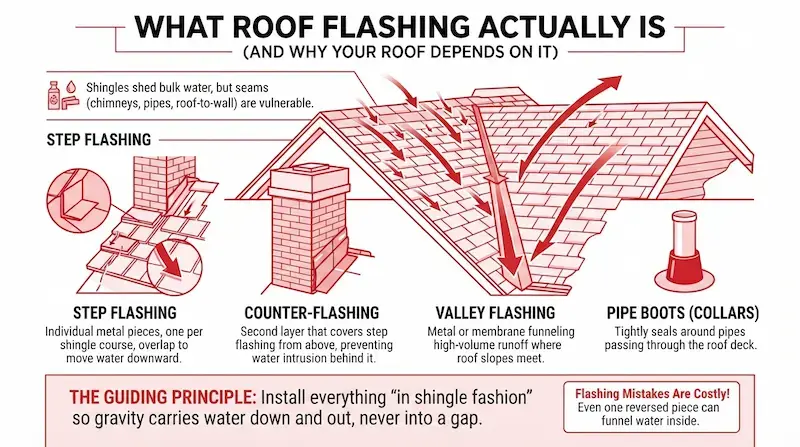
Even the highest quality materials and best ventilation systems can fail if not installed correctly. Professional installation is paramount in a high-humidity environment like Florida. A skilled roofing contractor understands the nuances of proper flashing techniques, underlayment application, and ventilation system integration—all critical elements in preventing moisture intrusion. Gaps in flashing around chimneys, skylights, and vent pipes, or improperly sealed seams in the underlayment, can become direct pathways for water and humid air to penetrate the roof assembly. KFR Roofing Solutions prides itself on meticulous installation practices, ensuring every component of your roofing system is expertly fitted and sealed to withstand Florida’s challenging climate. Our experience means we anticipate and address potential moisture vulnerabilities, providing you with a roof that offers superior protection and peace of mind.
KFR Roofing Solutions: Your Community Partner in Roof Protection
At KFR Roofing Solutions, we believe that a strong roof is the foundation of a secure home and a thriving community. As a proud Black family-owned business, we are deeply invested in the well-being of Tallahassee and the wider North Florida region. We understand the unique challenges that Florida homeowners face, especially when it comes to protecting their homes from the relentless humidity and harsh weather conditions. Our commitment goes beyond just fixing roofs; it’s about building lasting relationships based on trust, integrity, and exceptional service.
We bring a wealth of local knowledge and expertise to every project, ensuring that our solutions are not only effective but also tailored to the specific environmental demands of our area. From comprehensive inspections to expert repairs and full roof replacements, our team is dedicated to delivering the highest quality craftsmanship and customer care. We use only the best materials, proven to stand up to Florida’s climate, and our installation techniques adhere to or exceed all local building codes and industry best practices. We are passionate about educating homeowners, empowering you with the knowledge to make informed decisions about your roof’s health and longevity.
Your roof is a significant investment, and its condition directly impacts your home’s value, energy efficiency, and your family’s comfort. Don’t let Florida’s humidity silently undermine its integrity. If you’re concerned about the effects of moisture on your roof, or if it’s been a while since your last inspection, we invite you to reach out to KFR Roofing Solutions. We offer free, no-obligation roof inspections to help you assess your roof’s current condition, identify any potential humidity-related damage, and provide you with clear, honest recommendations. Let us be your trusted partner in keeping your Tallahassee or North Florida home protected for years to come.
FAQ Section
Q1: How often should I have my roof inspected in Florida’s humid climate?
A: It’s recommended to have your roof inspected at least once a year, and ideally twice a year (e.g., before and after hurricane season), especially in Florida’s humid climate. Regular inspections can catch humidity-related issues like mold, mildew, and early signs of material degradation before they become costly problems.
Q2: What are the signs of humidity damage on my roof?
A: Common signs include dark streaks or patches (mold/algae), curling or cracking shingles, granule loss, sagging areas on the roof deck, and water stains on your attic ceiling. If you notice any of these, it’s wise to get a professional assessment.
Q3: Can proper attic ventilation really make a difference?
A: Absolutely. Proper attic ventilation is crucial in humid climates. It helps to expel hot, moist air from your attic, preventing condensation buildup and reducing the temperature difference between your attic and the outside. This significantly reduces the risk of wood rot, mold growth, and premature aging of roofing materials.
Q4: Are some roofing materials better for humid climates than others?
A: Yes. Materials like metal roofing and certain types of asphalt shingles with algae-resistant properties are generally more durable in humid environments. Tile roofs (clay or concrete) also perform very well. These materials are less susceptible to moisture absorption and biological growth.
Q5: What is the lifespan of a roof in Florida’s humidity?
A: The lifespan of a roof in Florida can vary significantly depending on the material, installation quality, and maintenance. While some materials might last 20-30 years in ideal conditions, humidity and intense weather can shorten this. Regular maintenance and choosing appropriate materials can help maximize its longevity.
Q6: How can KFR Roofing Solutions help with humidity-related roof issues?
A: KFR Roofing Solutions specializes in addressing the unique challenges of Florida’s climate. We offer comprehensive inspections to identify humidity damage, expert repairs, and installations of roofing systems designed to withstand moisture. We also provide guidance on proper ventilation and material selection to protect your home long-term.
Q7: Is a secondary water barrier necessary in Florida?
A: A secondary water barrier (SWB) is an additional layer of protection installed beneath the primary roof covering. While not always strictly mandated for all roof types, it is highly recommended in Florida, especially in hurricane-prone areas. It provides an extra line of defense against water intrusion, particularly during heavy rains and high winds, which can exacerbate humidity-related issues.
Disclaimer
Disclaimer: The information provided in this blog article is intended for general educational purposes only and does not constitute professional roofing advice. While KFR Roofing Solutions strives to offer accurate and helpful insights, every roof and home is unique. For specific concerns or before undertaking any roofing work, it is essential to consult with a qualified and licensed roofing professional. KFR Roofing Solutions is not responsible for any actions taken based on the information presented herein.