%20copy.png)

Don’t Wait for a Hurricane: Why January is the Worst Time to Ignore Your Roof
Updated: Mar 17

Introduction: The Calm Before the Storm – A Tallahassee Homeowner’s Reality
For homeowners in Tallahassee and across North Florida, the rhythm of the year often revolves around the anticipation of hurricane season. While the official season runs from June 1st to November 30th, the truth is, preparing your home for the inevitable should be a year-round endeavor. And when it comes to your roof, waiting until the last minute can lead to catastrophic consequences. January, often seen as a respite from severe weather, is, in fact, one of the most critical times to address your roof’s health. It’s the calm before the storm, the ideal window to ensure your home’s first line of defense is robust and ready.
At KFR Roofing Solutions, a proud Black family-owned business deeply rooted in the Florida community, we understand the unique challenges our neighbors face. We’ve seen firsthand the devastation that an unprepared roof can bring, and our mission is to empower Tallahassee homeowners with the knowledge and services needed to protect their most valuable asset. We believe in proactive care, not reactive repairs, especially when it comes to the unpredictable nature of Florida’s weather.
The Perils of Procrastination: Why January Matters for Your Roof
Many homeowners might wonder, "Why January?" The answer lies in foresight and strategy. During the cooler, drier months, your roof is less likely to be actively battling heavy rains or intense heat, making it the perfect time for thorough inspections and necessary repairs. Delaying these crucial steps can lead to a cascade of problems that are far more expensive and stressful to fix when hurricane season arrives.
Hidden Damage Lurking from Past Seasons
Even if your roof survived the previous hurricane season seemingly unscathed, subtle damage could be lurking. High winds can loosen shingles, heavy rains can exploit tiny cracks, and debris can cause unseen abrasions. These minor issues, if left unaddressed, become major vulnerabilities when faced with another tropical storm or hurricane. A professional inspection in January can uncover these hidden threats, allowing for timely, cost-effective repairs.
Avoiding the Pre-Hurricane Rush and Price Hikes
As hurricane season approaches, roofing contractors become inundated with requests. This surge in demand often leads to longer wait times and, inevitably, higher prices for emergency repairs. By addressing your roofing needs in January, you bypass this frantic period. You’ll have more flexibility in scheduling, better access to materials, and potentially more competitive pricing. This strategic timing not only saves you money but also reduces stress during an already anxious time.
Insurance Implications: Staying Ahead of the Game
Insurance policies and claims can be complex, especially in Florida. Many insurance providers require regular roof inspections and maintenance to ensure coverage remains valid. Delaying necessary repairs could jeopardize your ability to file a successful claim after storm damage. Proactive maintenance in January demonstrates due diligence, potentially streamlining any future insurance processes and ensuring you receive the full benefits of your policy. The My Safe Florida Home Program, for instance, highlights the importance of wind mitigation inspections and upgrades, which can lead to insurance discounts and better protection.
KFR Roofing Solutions: Your Local Experts, Your Community Partners

As a Black family-owned business, KFR Roofing Solutions is more than just a contractor; we are an integral part of the Tallahassee and North Florida community. We understand the unique architectural styles, climate challenges, and community values that define our region. Our commitment goes beyond just fixing roofs; it extends to building lasting relationships based on trust, quality, and genuine care for our neighbors.
A Legacy of Trust and Quality
Our roots in Florida run deep, and our reputation is built on years of dedicated service. We pride ourselves on transparent communication, meticulous craftsmanship, and a personalized approach to every project. When you choose KFR Roofing Solutions, you’re not just hiring a roofing company; you’re partnering with a team that genuinely cares about the safety and longevity of your home and community.
Empowering Homeowners with Knowledge
We believe that an informed homeowner is an empowered homeowner. That’s why we prioritize educating our clients on the best practices for roof maintenance and hurricane preparedness. We take the time to explain our findings, discuss your options, and provide practical tips that extend the life of your roof and enhance your home’s resilience against severe weather.
Practical Tips for January Roof Maintenance

Taking action in January doesn’t have to be overwhelming. Here are some practical steps you can take to prepare your roof for the year ahead:
1. Schedule a Professional Roof Inspection
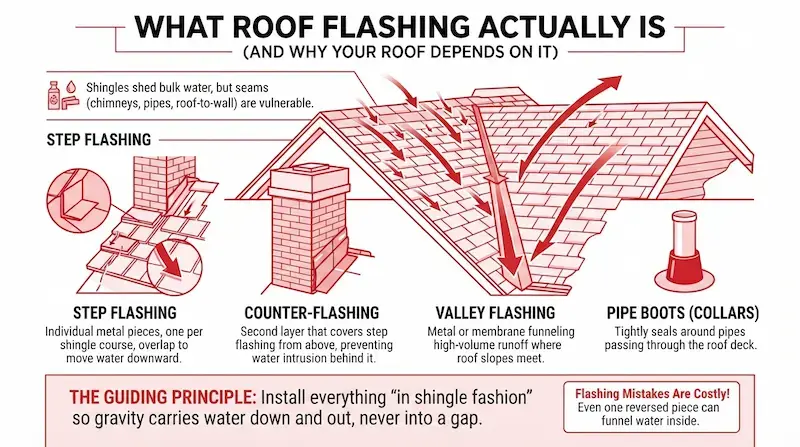
This is arguably the most important step. A certified roofing professional can identify subtle issues that might be invisible to the untrained eye. They’ll check for loose or missing shingles, damaged flashing, compromised seals around vents and skylights, and signs of water intrusion. In Florida, it’s recommended to have your roof inspected at least twice a year, and definitely after any major weather event.
2. Clear Gutters and Downspouts
Clogged gutters prevent proper water drainage, leading to water pooling on your roof or overflowing and damaging your home’s foundation and siding. January is an excellent time to clear out leaves, debris, and any blockages to ensure your drainage system is functioning optimally. This simple task can prevent significant water damage during heavy rains.
3. Trim Overhanging Tree Branches
Trees provide shade and beauty, but overhanging branches pose a significant threat to your roof during high winds. Even healthy branches can snap and fall, causing severe damage. Trim any branches that are close to or touching your roof to minimize this risk. This also helps prevent leaves and debris from accumulating on your roof, which can lead to moisture issues and granule loss on shingles.
4. Assess Your Attic Ventilation
Proper attic ventilation is crucial for the longevity of your roof. It helps regulate temperature and moisture, preventing issues like mold growth and premature aging of roofing materials. In January, check your attic for signs of leaks, condensation, or inadequate airflow. Ensuring good ventilation now can prevent costly problems down the line.
5. Review Your Homeowner’s Insurance Policy
While not directly a roof maintenance task, understanding your insurance policy is a vital part of hurricane preparedness. Review your coverage with your agent to ensure you’re adequately protected against storm damage. Discuss any deductibles, exclusions, and requirements for maintaining your roof. This is also a good time to inquire about potential discounts for wind mitigation improvements.
Conclusion: Proactive Protection with KFR Roofing Solutions

Ignoring your roof in January is a gamble that no Florida homeowner should take. The seemingly quiet winter months offer a golden opportunity to proactively address potential issues, save money, and gain peace of mind before hurricane season looms large. By taking these essential steps, you’re not just maintaining your roof; you’re investing in the safety and security of your home and family.
KFR Roofing Solutions stands ready to be your trusted partner in this endeavor. As a Black family-owned business deeply committed to the Tallahassee and North Florida community, we offer expert inspections, reliable repairs, and honest advice. Don’t wait for the next storm to remind you of your roof’s importance. Contact KFR Roofing Solutions today and let us help you prepare your home for whatever the Florida weather brings.
FAQ Section
Q1: How often should I have my roof inspected in Florida?
A1: It is generally recommended to have your roof inspected at least twice a year, ideally in the cooler, drier months like January, and again before hurricane season. Additionally, a professional inspection is crucial after any major storm event to assess for hidden damage.
Q2: What are the most common roof problems in Florida?
A2: In Florida, common roof problems include loose or missing shingles due to high winds, water intrusion from heavy rains, damage from falling debris, and issues with flashing and seals. The intense sun and humidity can also accelerate material degradation.
Q3: Can delaying roof repairs really be that expensive?
A3: Yes, delaying minor roof repairs can lead to significantly higher costs. A small leak can quickly escalate into extensive water damage affecting your attic, ceilings, walls, and even the structural integrity of your home. These secondary damages are often far more expensive to fix than the initial roof repair.
Q4: Does a new roof guarantee lower insurance premiums?
A4: While a new, hurricane-resistant roof can often lead to lower insurance premiums, it’s not always guaranteed. Many factors influence premiums, including the roof’s age, materials, and specific wind mitigation features. It’s best to consult with your insurance provider and a qualified roofing contractor like KFR Roofing Solutions to understand potential savings.
Q5: What is wind mitigation, and why is it important for my roof?
A5: Wind mitigation refers to features and construction techniques that reduce the likelihood of damage from high winds, such as those experienced during hurricanes. For roofs, this includes strong roof-to-wall connections, secondary water resistance, and impact-resistant materials. These measures are crucial in Florida for protecting your home and can also qualify you for insurance discounts.
Q6: How can I tell if my roof has storm damage?
A6: Signs of storm damage can include missing, cracked, or curled shingles, granules in your gutters, dents on vents or flashing, and water stains on your ceilings or walls. After a storm, it’s always best to have a professional inspection, as some damage may not be visible from the ground.
Q7: What makes KFR Roofing Solutions different from other roofing companies?
A7: KFR Roofing Solutions is a Black family-owned business deeply committed to the Tallahassee and North Florida community. We combine expert craftsmanship with a personalized, community-focused approach, ensuring transparent communication, fair pricing, and a genuine dedication to protecting your home with quality roofing solutions.
Q8: How long does a typical roof inspection take?
A8: The duration of a roof inspection can vary depending on the size and complexity of your roof, as well as the extent of any potential damage. Generally, a thorough professional inspection can take anywhere from 30 minutes to a few hours. KFR Roofing Solutions ensures a comprehensive assessment to provide you with a detailed report.
Disclaimer
The information provided in this blog article by KFR Roofing Solutions is intended for general educational purposes only and should not be considered as professional advice. While we strive to offer accurate and up-to-date information, roofing conditions and requirements can vary significantly based on individual circumstances, local building codes, and specific weather events. For personalized advice, inspections, and services related to your roof, please consult with a qualified and licensed roofing professional. KFR Roofing Solutions is not responsible for any actions taken based on the information presented herein without direct professional consultation.