%20copy.png)

The Truth About Roof Warranties: What Your Contractor Isn’t Telling You

Your Roof: A Critical Investment for Florida Homeowners
Your home is likely your most significant investment, and its roof is its primary shield against Florida's often harsh weather. From scorching sun to torrential downpours and the ever-present threat of hurricanes, your roof endures a lot. When you invest in a new roof or significant repairs, you're not just buying materials and labor; you're buying peace of mind. A crucial part of that peace of mind comes from understanding your roof's warranty. Yet, for many homeowners in Tallahassee and across North Florida, the world of roof warranties can seem complex and confusing. What exactly does it cover? What voids it? And what should you really expect from your roofing contractor?
At KFR Roofing Solutions, a proud Black family-owned business deeply rooted in the Florida community, we believe in transparency and empowering our neighbors with knowledge. We're not just here to install and repair roofs; we're here to educate you on how to protect your investment for years to come. This comprehensive guide will demystify roof warranties, helping you understand the fine print and ensuring you get the protection you deserve.
Decoding the Warranty Landscape: Manufacturer vs. Workmanship
When discussing roof warranties, it's essential to distinguish between two primary types: the manufacturer's warranty and the workmanship warranty. While both are vital, they cover different aspects of your roofing system and are provided by different entities.
The Manufacturer's Warranty: Protecting Your Materials
The manufacturer's warranty is provided by the company that produces your roofing materials—be it shingles, tiles, or metal panels. Its core purpose is to guarantee that the products themselves are free from defects. Think of it as a quality assurance stamp on the materials that make up your roof.
What Does It Typically Cover?
Defective Materials: This is the primary coverage. If the shingles curl, crack, or lose granules prematurely due to a manufacturing flaw, the manufacturer is responsible.
Prorated vs. Non-Prorated Periods: Many manufacturer warranties have two phases:
Non-Prorated Period: This initial period, often 5 to 20 years, offers the most comprehensive coverage. If a defect occurs, the manufacturer may cover the full cost of new materials and sometimes even the labor for installation.
Prorated Period: After the non-prorated period, the warranty's value decreases over time. The manufacturer will only cover a portion of the material cost, based on the roof's age, leaving the homeowner responsible for the remaining material and all labor costs.
Wind and Algae Resistance: Especially important in Florida, many shingle warranties include specific coverage for wind damage up to a certain speed and for algae growth for a set number of years.
The "Limited Lifetime" Misconception
Many homeowners hear "limited lifetime warranty" and assume their roof is covered indefinitely. However, "lifetime" typically refers to the period you own your home, and "limited" means there are specific conditions and exclusions. It rarely means a full replacement at no cost for the entire life of the roof.
The Workmanship Warranty: The Contractor's Promise
Arguably the most critical warranty for homeowners, the workmanship warranty is provided by your roofing contractor. It covers errors made during the installation process. Industry data consistently shows that the vast majority of roof failures and leaks stem from improper installation, not defective materials. This is where a reputable contractor truly shines.
What Does It Typically Cover?
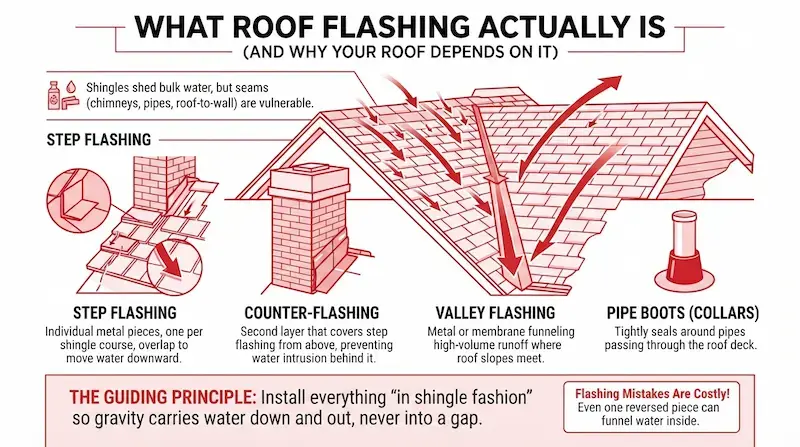
Installation Errors: This covers mistakes by the installation crew, such as improperly nailed shingles, faulty flashing around vents, or incorrect sealing. If your roof leaks due to these issues, the contractor is responsible for fixing it at no additional cost.
Duration: The length of this warranty reflects a contractor's confidence in their work. It can range from a few years to 10, 25 years, or even a lifetime guarantee. A longer warranty indicates a commitment to quality and accountability.
Scope of Coverage: A robust workmanship warranty should clearly state that the contractor will provide the labor and materials to correct the issue and repair any interior damage directly resulting from the installation fault.
Beyond the Basics: Extended Warranties and Florida-Specific Considerations

While standard manufacturer and workmanship warranties provide foundational protection, there are often opportunities for enhanced coverage, particularly relevant for Florida homeowners.
Extended Manufacturer Warranties: Comprehensive System Protection
Leading roofing manufacturers offer enhanced or extended system warranties. These are typically available when you choose a contractor who is certified by the manufacturer and installs a complete roofing system using their specific products. These premium warranties can offer significantly more comprehensive protection, including longer non-prorated periods (sometimes up to 50 years) and coverage for the entire roofing system, not just the shingles [2]. Crucially, these often include coverage for the labor to fix issues, a significant upgrade from standard material-only warranties.
Florida-Specific Considerations: Hurricanes, Building Codes, and Insurance
Florida homeowners face unique challenges, and your roof warranty needs to reflect that reality. The state's stringent building codes, particularly in hurricane-prone areas, and the complexities of homeowner's insurance claims, directly impact your warranty's effectiveness.
Hurricane Impact: Standard warranties rarely cover damage from severe weather events like hurricanes that exceed specified wind limits. While a shingle might be rated for 130 mph winds, a Category 4 or 5 hurricane with 157+ mph winds would typically fall under your homeowner's insurance policy, not the warranty. It's crucial to understand these distinctions before a storm hits.
Building Codes: Florida has some of the most robust building codes in the nation, especially concerning roofing. Your warranty can be voided if your roof was not installed to current code standards. A reputable contractor like KFR Roofing Solutions will always ensure installations meet or exceed local and state requirements.
Insurance Claims: Navigating insurance claims after storm damage can be daunting. While your warranty covers defects, your insurance covers perils. Understanding the interplay between the two is vital. Many warranties do not cover consequential or interior damages caused by roof leaks or defects, such as damage to carpets, walls, or ceilings; these often fall under your homeowner's insurance [5].
What Your Contractor Might Not Be Telling You: Common Exclusions and Warranty Voiders

While warranties offer protection, they also come with fine print that can surprise unsuspecting homeowners. Knowing these common exclusions and actions that can void your warranty is key to maintaining your coverage.
Common Exclusions:
"Acts of God" (Natural Disasters): As mentioned, damage from hurricanes, tornadoes, hail, lightning strikes, or falling trees is almost universally excluded from roofing warranties. These are typically covered by your homeowner's insurance.
Improper Maintenance: Your warranty is a partnership. Manufacturers and contractors expect you to perform reasonable maintenance. Neglecting to keep your roof clean of debris (leaves, pine needles) that can trap moisture and cause premature deterioration can void your warranty [6]. Regular inspections and maintenance are not just good practice; they're often a warranty requirement.
Unauthorized Alterations or Repairs: This is a big one. If you install a satellite dish, solar panels, or make any other penetration to the roof membrane after the initial installation without consulting your original contractor or manufacturer, you risk voiding your warranty. Similarly, hiring a different, uncertified roofer to perform repairs can also nullify your coverage. Always contact your original, warranting contractor for any modifications or repairs to keep your warranty intact [6].
Improper Ventilation: Adequate attic ventilation is crucial for the longevity of your roof and is often a requirement for manufacturer warranties. Poor ventilation can trap heat and moisture, leading to premature aging of shingles and other components, and can be grounds for voiding your warranty [6].
Foot Traffic Damage: Excessive or improper foot traffic on your roof can cause damage to shingles and other components, which is typically not covered by warranties.
Actions That Can Void Your Warranty:
DIY Repairs: While tempting to save money, attempting significant roof repairs yourself without professional expertise almost always voids both manufacturer and workmanship warranties.
Using Incompatible Materials: If repairs are made using materials not approved by the original manufacturer, your warranty can be compromised.
Failure to Register: Some extended manufacturer warranties require registration within a specific timeframe after installation. Failure to do so can result in the loss of enhanced coverage.
Transferring Ownership Incorrectly: If you sell your home, some warranties are transferable to the new owner, but often require specific procedures and fees. Failing to follow these steps can render the warranty invalid for the new homeowner.
The KFR Difference: A Commitment to Our Community
Choosing a roofing contractor is about more than just getting a new roof; it's about building a relationship with a company you can trust. As a Black family-owned business, KFR Roofing Solutions is deeply invested in the Tallahassee community. We're not just another faceless corporation; we're your neighbors, and we take pride in serving our community with integrity and excellence. Our commitment to you extends far beyond the final nail. We believe in empowering our clients with the knowledge they need to make informed decisions, and we stand behind our work with a comprehensive workmanship warranty that reflects our confidence in our craftsmanship. We understand the unique challenges of Florida weather, and we're dedicated to providing roofing solutions that are not only beautiful but also durable and long-lasting. When you choose KFR, you're not just a customer; you're part of our community.
Empowering Yourself: Practical Tips for Tallahassee Homeowners
Understanding the intricacies of roof warranties can feel overwhelming, but with the right approach, you can ensure your investment is well-protected. Here are some practical tips from KFR Roofing Solutions to empower you:
Read the Fine Print (Seriously!): Before signing any contract, obtain copies of both the manufacturer's and contractor's warranties. Read them thoroughly. Don't hesitate to ask your contractor to explain any terms you don't understand. A reputable company will be happy to clarify.
Choose a Reputable, Local Contractor: This is perhaps the most critical step. A contractor's workmanship warranty is only as good as the company behind it. Look for established local businesses with a strong track record, positive reviews, and proper licensing and insurance. KFR Roofing Solutions, as a Black family-owned business serving Tallahassee and North Florida, prides itself on its community ties and unwavering commitment to quality and accountability. We're not a storm chaser; we're your neighbors.
Ask About Certifications: Many manufacturers offer extended warranties only when their products are installed by certified contractors. Ask your potential roofer about their manufacturer certifications. This indicates they've undergone specific training and meet high installation standards.
Understand the Installation Process: A good contractor willwalk you through the installation process, explaining how they ensure compliance with building codes and manufacturer specifications. This knowledge helps you understand what to expect and how to identify potential issues.
Prioritize Regular Maintenance: Schedule annual roof inspections and perform routine maintenance, such as clearing gutters and removing debris. This not only extends the life of your roof but also helps keep your warranty valid.
Keep Detailed Records: Maintain a file with all your roofing documents: contracts, invoices, warranty certificates, and any communication with your contractor or manufacturer. This documentation is invaluable if you ever need to file a claim.
Don't Be Afraid to Ask Questions: If something seems unclear or too good to be true, ask for clarification. Your peace of mind is worth it.
KFR Roofing Solutions: Your Trusted Partner in Tallahassee
At KFR Roofing Solutions, we understand that a roof is more than just a covering; it's a vital component of your home's safety and value. As a Black family-owned business, we are deeply committed to serving our community in Tallahassee and throughout North Florida with integrity, expertise, and unparalleled customer service. We believe in building lasting relationships, not just roofs.
We offer transparent, comprehensive warranty information for all our projects, ensuring you understand every aspect of your coverage. Our team is highly trained and certified, dedicated to providing installations that not only meet but exceed industry standards and local building codes. When you choose KFR Roofing Solutions, you're choosing a partner who stands behind their work and is invested in the long-term protection of your home.
Don't let the complexities of roof warranties leave you exposed. Contact KFR Roofing Solutions today for a free consultation and let us help you secure your home with confidence and clarity. We're here to ensure your roof, and your peace of mind, are built to last.
Frequently Asked Questions (FAQ)
Q1: What's the difference between a manufacturer's warranty and a workmanship warranty?
A manufacturer's warranty covers defects in the roofing materials themselves, provided by the company that made them. A workmanship warranty, provided by your roofing contractor, covers errors made during the installation process. Both are crucial for comprehensive protection.
Q2: How long do roof warranties typically last in Florida?
Manufacturer warranties for materials can range from 20 to 50 years, often with prorated coverage after an initial non-prorated period. Workmanship warranties vary by contractor, from a few years to 25 years or even a lifetime. Extended manufacturer warranties can also offer longer non-prorated periods and cover workmanship.
Q3: Can my roof warranty be transferred if I sell my home?
Some warranties are transferable to a new homeowner, but often require specific procedures, documentation, and sometimes a fee. It's essential to check the terms of your specific warranty and follow the transfer process carefully to ensure the new owner retains coverage.
Q4: Will my warranty cover damage from a hurricane?
Generally, standard roof warranties do not cover damage from natural disasters like hurricanes, tornadoes, or hail. These events are typically considered "Acts of God" and fall under your homeowner's insurance policy. Always review both your warranty and insurance policy to understand what is covered.
Q5: What can void my roof warranty?
Common actions that can void a roof warranty include improper maintenance (e.g., not clearing debris), unauthorized alterations or repairs (e.g., installing a satellite dish without consulting the contractor), using incompatible repair materials, or failing to register an extended warranty within the specified timeframe.
Q6: Why is choosing a local, reputable contractor important for my warranty?
Choosing a local, reputable contractor like KFR Roofing Solutions is vital because their workmanship warranty is only as reliable as the company itself. An established local business has a reputation to uphold and is more likely to be available to honor their warranty for years to come, unlike transient "storm chasers."
Q7: Do I need to register my roof warranty?
For standard manufacturer warranties, registration might not be explicitly required, but it's always a good idea to confirm. For extended manufacturer warranties, registration within a specific timeframe is almost always mandatory to activate the enhanced coverage. Your contractor should assist you with this process.
Q8: What should I do if I think I have a warranty claim?
If you suspect an issue with your roof that may be covered by a warranty, the first step is to contact the contractor who installed it. Document the problem with photos and a written description. The contractor will then assess the situation and guide you through the claims process with the manufacturer if necessary. It's important to act promptly to prevent further damage.
Disclaimer
The information provided in this blog article by KFR Roofing Solutions is intended for general educational purposes only and does not constitute professional advice. While we strive to provide accurate and up-to-date information, roofing warranties are complex legal documents, and their terms and conditions can vary significantly by manufacturer, contractor, and specific product. Florida building codes and insurance policies are also subject to change. Homeowners should always consult their specific warranty documents, insurance provider, and a qualified roofing professional for advice tailored to their individual circumstances. KFR Roofing Solutions is not responsible for any actions taken based on the information presented herein.