%20copy.png)

Metal Roofing vs. Asphalt Shingles: Which is Best for Florida’s Climate?
- Apr 14
- 7 min read

Welcome to the KFR Roofing Solutions blog! As a Black family-owned business right here in Tallahassee, we’re passionate about helping our neighbors protect their homes with strong, reliable roofs. We know that choosing the right roofing material in Florida is a big decision. Our state’s unique climate—with its intense sun, heavy rains, and the ever-present threat of hurricanes—demands a roof that can handle it all. In this post, we'll break down the two most popular roofing choices: metal and asphalt shingles. We’ll explore the pros and cons of each, so you can make an informed decision for your home and family.
The Florida Climate Challenge: Sun, Rain, and Storms
Living in the Sunshine State is a dream, but that sunshine, along with our tropical climate, can be tough on roofs. Florida’s weather brings a unique set of challenges that your roof has to withstand year after year. Here’s what your roof is up against:
Intense UV Exposure
The same sun that we love for our beach days is constantly beating down on our roofs. This relentless exposure to ultraviolet (UV) rays can cause roofing materials to degrade over time. Some materials may fade, crack, or become brittle, which can lead to leaks and a shorter lifespan for your roof.
Heavy Rainfall and Humidity
Florida is also known for its sudden downpours and high humidity. This constant moisture can be a breeding ground for mold, mildew, and algae, which can not only be an eyesore but can also damage your roof. If moisture gets trapped, it can lead to rot and decay, compromising the structural integrity of your roof.
Hurricane-Force Winds
Perhaps the biggest challenge for any Florida roof is the threat of hurricanes. With wind speeds that can exceed 140 miles per hour, a hurricane can literally tear a roof apart. A roof that isn’t built to withstand these powerful winds can be a major liability, putting your home and everything in it at risk.
All About Metal Roofing
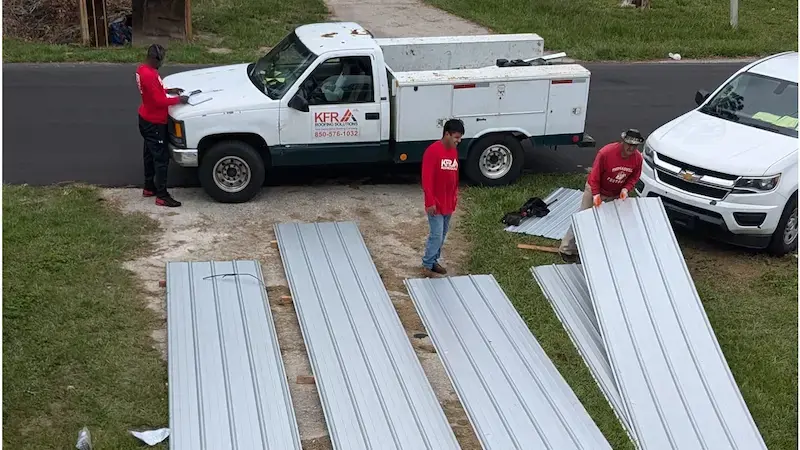
In recent years, metal roofing has become an increasingly popular choice for Florida homeowners, and for good reason. Modern metal roofs are a far cry from the rusty tin roofs of the past. Today’s metal roofs are durable, stylish, and offer a range of benefits that make them a great fit for our climate.
The Pros of Metal Roofing in Florida
Exceptional Durability and Longevity: Metal roofs are built to last. With proper installation, a metal roof can last from 40 to 70 years, which is two to three times longer than a typical asphalt shingle roof. They are resistant to rust, rot, and insects, and they won’t decompose or crack under the Florida sun.
Superior Wind and Storm Resistance: This is a big one for Florida homeowners. Metal roofs are engineered to withstand hurricane-force winds. Many are rated for wind speeds of 140 mph or more, and some can even handle winds up to 180 mph. This means that when the next big storm rolls through, you can have peace of mind knowing that your roof is up to the challenge.
Energy Efficiency: Metal roofs are also one of the most energy-efficient roofing materials on the market. They reflect solar radiant heat, which can reduce your cooling costs by 10-25%. In a state where our air conditioners are running for most of the year, those savings can really add up.
Environmentally Friendly: Metal roofs are a sustainable choice. They are often made from recycled materials and are 100% recyclable at the end of their life. This means that your old roof won’t end up in a landfill.
The Cons of Metal Roofing in Florida
Higher Upfront Cost: The biggest drawback of a metal roof is the initial investment. Metal roofs can cost two to three times more than an asphalt shingle roof. However, it’s important to remember that a metal roof will likely be the last roof you ever need to buy. When you factor in the longer lifespan and lower maintenance costs, a metal roof can actually be more cost-effective in the long run.
Noise: Some people are concerned that a metal roof will be noisy during a rainstorm. While it’s true that a metal roof can be louder than an asphalt shingle roof, this can be mitigated with proper insulation. With the right insulation, the noise from a metal roof is comparable to that of other roofing materials.
Potential for Denting: While metal roofs are incredibly strong, they can be dented by large hail or falling branches. However, many modern metal roofs are textured to hide minor dents, and thicker, more durable options are available that are less prone to denting.
A Look at Asphalt Shingles
Asphalt shingles are the most common roofing material in the United States, and they have been a popular choice in Florida for many years. They are affordable, easy to install, and come in a wide variety of colors and styles. However, they also have some significant drawbacks, especially in our demanding climate.

The Pros of Asphalt Shingles in Florida
Affordability: The main reason that asphalt shingles are so popular is their low upfront cost. They are the most affordable roofing material on the market, which makes them an attractive option for homeowners on a budget.
Variety of Styles: Asphalt shingles come in a wide range of colors and styles, so you can easily find an option that complements your home’s aesthetic. From traditional 3-tab shingles to architectural shingles that mimic the look of wood or slate, there’s an asphalt shingle for every taste.
Easy Installation and Repair: Asphalt shingles are relatively easy to install, which can help to keep labor costs down. They are also easy to repair. If a few shingles are damaged, they can be replaced individually without having to replace the entire roof.
The Cons of Asphalt Shingles in Florida
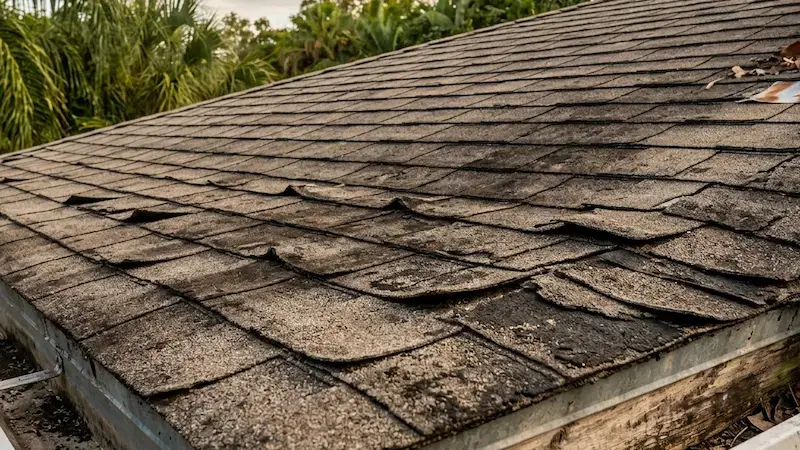
Shorter Lifespan: The biggest downside of asphalt shingles is their shorter lifespan. In Florida’s harsh climate, an asphalt shingle roof will typically last for 15 to 25 years. The intense sun can cause the shingles to become brittle and crack, and the high humidity can lead to problems with algae and mold.
Vulnerability to High Winds: While some asphalt shingles are rated for high winds, they are generally more vulnerable to wind damage than metal roofs. In a hurricane, asphalt shingles can be torn off, leaving your roof exposed to the elements. In fact, some studies have shown that asphalt shingle roofs that are more than 10 years old may not provide adequate protection against hurricane-force winds.
Lower Energy Efficiency: Asphalt shingles absorb heat from the sun, which can make your attic and your home hotter. This means that your air conditioner will have to work harder to keep your home cool, which can lead to higher energy bills.
Environmental Concerns: Asphalt shingles are a petroleum-based product, and they are not easily recyclable. At the end of their life, most asphalt shingles end up in landfills, where they can take hundreds of years to decompose.
So, Which is Best for Your Florida Home?
When it comes to choosing a roof for your Florida home, there’s no one-size-fits-all answer. The best choice for you will depend on your budget, your priorities, and your long-term goals. Here’s a quick summary to help you decide:
Choose a metal roof if:
You want a roof that will last a lifetime.
Your top priority is hurricane protection.
You’re looking for ways to reduce your energy bills.
You’re willing to make a larger upfront investment for long-term value.
Choose an asphalt shingle roof if:
You have a limited budget.
You’re planning to move in the next 10-15 years.
You want a wide variety of color and style options.
At KFR Roofing Solutions, we believe that a metal roof is the superior choice for most Florida homeowners. While the upfront cost is higher, the long-term benefits of a metal roof—from its exceptional durability and hurricane resistance to its energy efficiency and environmental friendliness—make it a wise investment. A metal roof will not only protect your home and your family for decades to come, but it can also save you money in the long run.
As a local, family-owned business, we’re committed to providing our community with the highest quality roofing solutions. We’re proud to be experts in metal roofing, and we’d be happy to answer any questions you have and help you decide if a metal roof is the right choice for your home. Contact us today for a free consultation!
Frequently Asked Questions (FAQ)
Q1: How long do metal roofs typically last in Florida?
A: Metal roofs are known for their exceptional longevity. In Florida's climate, a properly installed metal roof can last anywhere from 40 to 70 years, often outlasting asphalt shingle roofs by two to three times.
Q2: Are metal roofs louder than asphalt shingles during rain?
A2: While some people are concerned about noise, modern metal roofs, especially when installed with proper insulation, are not significantly louder than asphalt shingle roofs during rain. The insulation helps to dampen any sound.
Q3: Do metal roofs really help with energy bills in Florida?
A3: Yes, absolutely! Metal roofs are highly energy-efficient. They reflect solar radiant heat, which can significantly reduce your home's cooling costs, often by 10-25%. This is a major benefit in Florida's warm climate.
Q4: How do asphalt shingles hold up against hurricanes?
A4: While some asphalt shingles have high wind ratings, they are generally more vulnerable to hurricane-force winds than metal roofs. Strong winds can tear off shingles, leaving your roof exposed. Studies have shown that older asphalt shingle roofs (over 10 years old) may offer less protection against hurricanes.
Q5: Is a metal roof a good investment despite the higher upfront cost?
A5: Many homeowners find metal roofs to be a wise long-term investment. While the initial cost is higher, their extended lifespan, lower maintenance needs, energy savings, and superior protection against Florida's weather often result in significant cost savings over the life of the roof.
Q6: Does KFR Roofing Solutions offer financing options for new roofs?
A6: Yes, KFR Roofing Solutions understands that a new roof is a significant investment. We offer various financing options to help make your roofing project more affordable. Please contact us for more details and to discuss what options might be best for you.
Disclaimer
The information provided in this blog post is intended for general informational purposes only and does not constitute professional roofing advice. While we strive to provide accurate and up-to-date information, roofing conditions and requirements can vary significantly based on individual property characteristics, local building codes, and specific weather events. It is essential to consult with a qualified and licensed roofing professional, such as KFR Roofing Solutions, for personalized advice and assessments regarding your specific roofing needs. KFR Roofing Solutions is not responsible for any actions taken based on the information presented herein without direct professional consultation.